Share


 DUBAI,UAE
 21 Oct , 2026
 12:00 AM
Offshore Marine Repair and Maintenance Contractor in the UAE: How to Choose the Right Partner
Offshore operations leave very little room for error. A vessel, platform support unit or work barge that stops working far from shore can delay a project, put people at risk and cost far more than the repair itself. That is why companies running offshore assets in the Arabian Gulf spend so much time choosing the right offshore marine repair and maintenance contractor in the UAE before something goes wrong.
This guide explains what offshore marine maintenance covers, what makes offshore work different, the safety points to check, and how to compare contractors with confidence.
The short answer: choose a contractor that can show relevant offshore experience, a strong safety record, trained and certified people, reliable supply of parts and equipment, and clear reporting. The cheapest quote is rarely the lowest total cost.
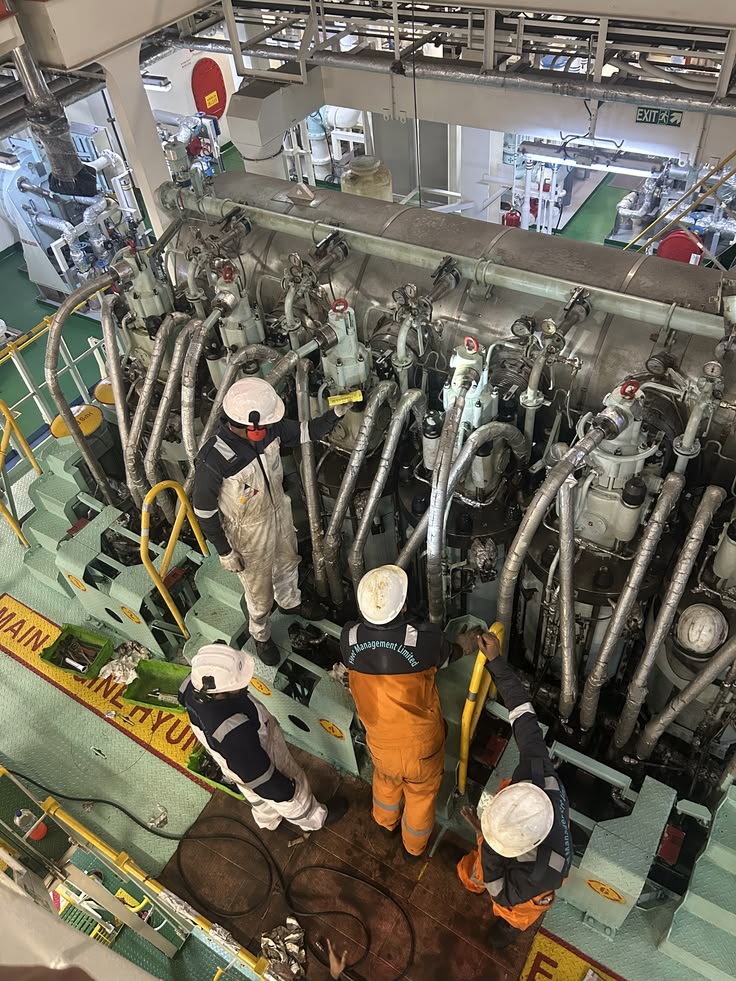
What Offshore Marine Repair and Maintenance Covers
Offshore maintenance supports the vessels, equipment and structures that work away from the port. Depending on the project, this may include:
- Offshore support vessels, tugs, barges and workboats
- Platform and field support equipment
- Lifting, deck and mooring equipment
- Power generation, pumps and auxiliary systems
- Electrical, lighting and control systems
- Piping, valves and mechanical equipment
- Safety, firefighting and life-saving equipment
- Cleaning, painting and surface protection
The exact scope depends on the asset, the client’s requirements and what the contractor is approved and equipped to do. A reliable contractor will tell you plainly what is inside their scope and what needs a specialist or a yard.
Why Offshore Work Is Different
A job that takes a few hours alongside a quay can take much longer offshore. The main challenges are:
- Access: people, tools and spares must travel by boat or helicopter, often on a fixed schedule
- Weather and sea state: conditions can stop transfers and delay work at short notice
- Logistics: a missing part can mean waiting for the next supply run
- Limited space: work is often done in tight, noisy or hot areas
- Safety exposure: lifting, hot work, confined spaces and working over water all raise the risk
- Remote support: help is further away if something goes wrong
These factors make planning and preparation far more important than they are onshore.
Planned Maintenance vs Breakdown Repair
Most offshore operators try to reduce emergency repairs through planned maintenance. The two approaches work together:
- Planned maintenance follows a schedule, uses a known scope and spares list, and can be timed around operations. It is cheaper and safer.
- Breakdown repair responds to unexpected failures. It needs fast assessment, quick mobilisation and a contractor who can work under pressure without cutting safety corners.
A good contractor can support both, and helps you move more work from the second category into the first.
Safety and Compliance: What to Check
Safety should be the first filter, not an afterthought. Ask any contractor about:
- HSE management: written procedures, risk assessments and method statements for each job
- Permit-to-work: a clear system for hot work, lifting, confined space and electrical isolation
- Competence and training: qualified technicians, with offshore safety and survival training where the client or site requires it
- Safety record: incident reporting and how lessons are applied
- Client and operator requirements: many operators have their own approval and induction processes
- Class and flag requirements: repairs on classed equipment should be agreed and documented properly
- Environmental care: correct handling and disposal of oil, waste and chemicals
- Insurance: suitable cover for the work and the location
If a contractor is vague on these points, treat that as a warning.
Equipment and Spares Support
Technical skill is only half the picture. Offshore jobs often fail to finish on time because the right part, consumable or tool is not available. A contractor with strong supply support can shorten downtime by delivering:
- Marine generators, pumps and engine system parts
- Electrical and lighting equipment
- Safety items and consumables
- Anchoring, docking and deck hardware
- Cleaning products and workshop materials
Empire Marine supplies a wide range of marine equipment from its Dubai Maritime City showroom, including engines and spare parts and a broad marine product range, which helps operators source what they need in one place.
How to Choose an Offshore Contractor
When you are comparing an offshore marine repair and maintenance contractor in the UAE, use a simple scorecard. Ask:
- Experience: what similar vessels, equipment or projects have they handled?
- Scope: which mechanical, electrical, piping, cleaning or support services are in-house, and which are subcontracted?
- Safety: can they share procedures, training records and incident statistics?
- Response time: how quickly can they assess a problem and mobilise a team?
- Supply chain: can they source parts, consumables and equipment without long delays?
- Documentation: what reports, photos and test records will you receive?
- Communication: who is your named contact, and how are updates shared?
- Commercial clarity: are the scope, exclusions, rates and variation process written down?
- References: can they provide client references or examples of past work?
Score each contractor against these points rather than relying on a general impression.
The Offshore Maintenance Process, Step by Step
- Requirement and survey: define the equipment, the problem and the target date
- Scope and plan: agree tasks, manpower, tools, spares, permits and transport
- Risk assessment and approvals: complete safety documents and site or client requirements
- Mobilisation: move people, equipment and consumables to the work site
- Execution: carry out the work under supervision and permit controls
- Testing and handover: verify the repair, check performance and close permits
- Reporting: provide photos, records, parts used and recommendations
- Follow-up: review results and plan the next maintenance interval
What Affects the Cost
There is no standard price, because every offshore job is different. The main cost drivers are:
- The size and complexity of the work
- Location, distance and transport method
- Weather windows and waiting time
- Manpower, skills and duration
- Equipment, spares and consumables
- Permits, inspections and certifications
- Urgency and out-of-hours work
Ask for an itemised quote so you can see what is included and compare offers fairly.
Common Mistakes to Avoid
- Choosing only on price and ignoring safety and experience
- Leaving maintenance until the equipment fails
- Giving an unclear brief, so the wrong people or parts arrive
- Underestimating weather and logistics delays
- Skipping induction, permits or documentation
- Not agreeing the scope and variation process in writing
- Using several contractors with no single point of coordination
Frequently Asked Questions
What does an offshore marine maintenance contractor do?
It provides repair, servicing, inspection and support for vessels, equipment and facilities working offshore. Typical work includes mechanical, electrical, piping, cleaning and surface protection tasks, along with supply of spares and equipment.
How do I know if a contractor is safe to use offshore?
Ask for their HSE procedures, permit-to-work system, training records, incident statistics and insurance, and check that they meet your own or your client’s approval requirements.
Can maintenance be done while the vessel is operating?
Some tasks can be done while a vessel is on station, but others need the vessel to be stopped, moved to anchorage or taken to a yard. The contractor and your superintendent should agree the safest approach.
How fast can a team be mobilised for an emergency?
It depends on the location, the weather, the scope of work and the contractor’s resources. Ask each contractor for a realistic response time and for how they handle out-of-hours calls.
Is planned maintenance cheaper than emergency repair?
Usually yes. Planned work lets you prepare spares, schedule people and avoid rush costs and downtime.
Can one company provide both equipment and technical services?
Some can. Using one partner for equipment and technical support can simplify coordination and shorten downtime, but check that the scope you need is clearly covered.
Talk to Empire Marine
If you are reviewing options for an offshore marine repair and maintenance contractor in the UAE, our team can discuss your requirements, equipment needs and timeline. Visit our services page, send your details through the contact page, see our work in the gallery, read more on our blog and follow Empire Marine on Instagram.