
Share


 UAE
UAE
 23 Jul , 2026
 12:00 AM
Marine Engine Components and Their Role in Vessel Performance
Marine engines are the heart of every vessel, providing the power required for propulsion, maneuverability, and onboard operations. Whether it is a commercial ship, fishing vessel, luxury yacht, passenger boat, offshore support vessel, or recreational craft, the performance of the marine engine directly impacts efficiency, safety, reliability, and operating costs.
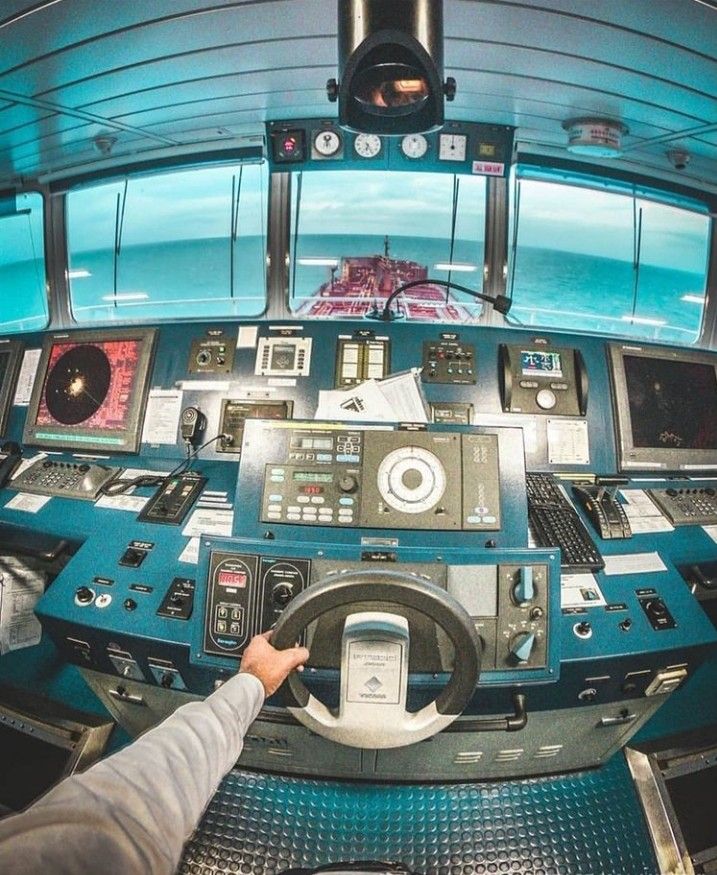
Modern marine engines are designed to operate in demanding environments where durability, fuel efficiency, and consistent performance are essential. However, achieving optimal vessel performance depends not only on the engine itself but also on the proper functioning of various engine components. Each component plays a crucial role in ensuring smooth operation, efficient fuel consumption, reduced emissions, and long-term reliability.
Understanding marine engine components and their role in vessel performance helps vessel owners, shipyards, marine engineers, and operators make informed maintenance and equipment decisions while maximizing operational efficiency.
Understanding Marine Engine Systems
Marine engines are highly sophisticated systems that convert fuel energy into mechanical power. Unlike automotive engines, marine engines must withstand continuous operation under heavy loads and harsh marine conditions, including saltwater exposure, humidity, vibration, and extreme temperatures.
A marine engine consists of numerous interconnected components that work together to generate power, control combustion, regulate temperature, and ensure efficient performance. Even a minor failure in one component can affect the entire engine system, leading to reduced efficiency, increased fuel consumption, and costly downtime.
Regular maintenance and high-quality engine components are therefore essential for maintaining vessel performance and operational reliability.
Engine Block: The Foundation of Marine Power
The engine block serves as the primary structure of the marine engine. It houses the cylinders, pistons, crankshaft, and various internal components that generate power through combustion.
Designed to withstand extreme pressure and temperature conditions, the engine block provides the strength and stability required for continuous marine operations. A well-designed engine block contributes to efficient power generation while ensuring long-term durability.
Modern marine engines use high-strength materials and advanced manufacturing processes to improve performance and reliability in challenging maritime environments.
Pistons and Cylinders: Generating Power
Pistons and cylinders are among the most critical components of any marine engine.
During engine operation, fuel and air are compressed inside the cylinders, creating controlled combustion. The resulting force pushes the pistons downward, generating mechanical energy that drives the vessel.
Efficient piston and cylinder performance directly affects engine power output, fuel efficiency, and overall vessel speed. High-quality materials and precision engineering help minimize wear and ensure reliable operation over extended periods.
Proper lubrication and routine inspections are essential for maintaining piston and cylinder performance.
Crankshaft: Converting Energy into Motion
The crankshaft converts the linear movement of the pistons into rotational motion, which ultimately drives the vessel’s propulsion system.
As one of the most heavily loaded engine components, the crankshaft must withstand continuous stress while maintaining precise alignment and balance.
A properly functioning crankshaft ensures smooth engine operation, reduces vibration, and maximizes power transfer to the propeller. Any damage or imbalance can significantly impact engine efficiency and vessel performance.
Regular maintenance and monitoring help prevent premature wear and extend crankshaft life.
Fuel Injection System: Maximizing Efficiency
The fuel injection system plays a crucial role in delivering the correct amount of fuel to the engine at the right time.
Modern marine engines rely on advanced fuel injection technologies to optimize combustion, improve fuel efficiency, and reduce emissions. Accurate fuel delivery ensures maximum power output while minimizing fuel waste.
A well-maintained fuel injection system contributes to smoother engine performance, reduced operating costs, and improved environmental compliance.
As fuel prices continue to rise, efficient fuel management has become increasingly important for vessel operators worldwide.
Turbochargers: Enhancing Engine Power
Turbochargers are widely used in marine engines to increase power output and improve fuel efficiency.
A turbocharger uses exhaust gases to compress incoming air, allowing more oxygen to enter the combustion chamber. This increased airflow enables the engine to burn fuel more efficiently and generate greater power without increasing engine size.
Turbocharged marine engines offer improved acceleration, enhanced performance, and better fuel economy, making them ideal for commercial vessels and high-performance yachts.
Regular inspection and maintenance of turbochargers help ensure optimal performance and prevent costly repairs.
Cooling System: Preventing Overheating
Marine engines generate substantial amounts of heat during operation. Without an effective cooling system, excessive temperatures can damage critical components and reduce engine efficiency.
Marine cooling systems regulate engine temperature by circulating coolant or seawater through the engine.
Proper temperature control helps prevent overheating, reduces component wear, and ensures consistent performance under varying operating conditions.
Routine maintenance of cooling pumps, heat exchangers, hoses, and cooling circuits is essential for maintaining engine reliability.
Lubrication System: Protecting Internal Components
The lubrication system plays a vital role in reducing friction between moving engine parts.
Engine oil creates a protective film that minimizes wear, dissipates heat, and prevents corrosion. Proper lubrication helps extend component life while improving engine efficiency and reliability.
Marine environments place additional demands on lubrication systems due to continuous operation and exposure to moisture.
Regular oil analysis, filter replacement, and lubrication maintenance are essential practices for protecting valuable engine components.
Air Intake System: Supporting Efficient Combustion
The air intake system supplies clean air to the engine for combustion.
Efficient airflow is critical for achieving optimal fuel combustion and maximizing engine performance. Air filters prevent dust, debris, and contaminants from entering the engine, protecting internal components from damage.
Restricted airflow can reduce power output, increase fuel consumption, and negatively impact overall engine efficiency.
Routine inspection and replacement of air filters help maintain consistent performance.
Exhaust System: Improving Efficiency and Compliance
The exhaust system removes combustion gases from the engine while supporting efficient operation.
Modern marine exhaust systems are designed to reduce emissions, improve fuel efficiency, and comply with environmental regulations. Proper exhaust flow helps maintain engine performance while minimizing back pressure.
Advanced exhaust technologies are increasingly important as the maritime industry adopts stricter environmental standards.
Maintaining exhaust components helps ensure safe operation and regulatory compliance.
Marine Electrical Components and Engine Performance
Marine engines rely on various electrical systems for starting, monitoring, and control functions.
Alternators, batteries, sensors, control units, and wiring systems all contribute to reliable engine operation.
Advanced monitoring systems provide real-time performance data, allowing operators to identify potential issues before they become major problems.
Reliable electrical systems enhance engine efficiency while supporting safer vessel operations.
Engine Monitoring and Automation Systems
Modern vessels increasingly utilize engine monitoring and automation technologies.
These systems track critical performance parameters such as temperature, pressure, fuel consumption, vibration levels, and operating hours.
Real-time monitoring allows operators to make informed decisions and respond quickly to changing conditions.
Automation systems also improve maintenance planning by identifying developing issues before failures occur.
This proactive approach reduces downtime and extends equipment lifespan.
The Impact of Quality Components on Vessel Performance
Every marine engine component contributes to overall vessel performance.
High-quality components improve reliability, fuel efficiency, power output, and operational safety. Conversely, low-quality or poorly maintained parts can increase maintenance costs, reduce efficiency, and create safety risks.
Investing in premium marine engine components from trusted manufacturers helps vessel owners achieve better long-term performance while reducing operational expenses.
Quality components also contribute to greater durability in challenging marine environments.
Preventive Maintenance for Marine Engines
Preventive maintenance is essential for ensuring optimal engine performance.
Routine inspections, oil analysis, component testing, filter replacement, cooling system maintenance, and fuel system servicing help identify potential problems before they lead to costly failures.
A proactive maintenance strategy reduces downtime, extends engine life, and improves vessel reliability.
Commercial operators, yacht owners, and shipyards all benefit from structured maintenance programs that prioritize engine health and performance.
The Future of Marine Engine Technology
Marine engine technology continues to evolve as manufacturers focus on efficiency, sustainability, and performance.
Hybrid propulsion systems, advanced fuel injection technologies, digital monitoring platforms, alternative fuels, and intelligent engine management systems are transforming the future of maritime operations.
These innovations help reduce fuel consumption, lower emissions, and improve operational efficiency while maintaining high levels of reliability.
As the marine industry embraces technological advancements, high-performance engine components will remain essential for supporting safe and efficient vessel operations.
Conclusion
Marine engine components are fundamental to vessel performance, reliability, and operational success. From pistons and crankshafts to fuel injection systems, cooling systems, and advanced monitoring technologies, every component plays a critical role in ensuring efficient power generation and smooth vessel operation.
By investing in high-quality marine engine components, implementing preventive maintenance programs, and working with trusted marine equipment suppliers, vessel owners and operators can maximize performance, reduce operating costs, and extend the lifespan of their marine engines.
As maritime technology continues to advance, understanding the importance of marine engine components will remain essential for achieving long-term success in the global marine industry.