
Share


 uae
uae
 20 Feb , 2026
 12:00 AM
Essential Marine Equipment Every Boat Owner Should Have for Safety and Performance
Boating is an exciting and rewarding experience, whether for commercial operations, fishing, offshore work, or leisure cruising. However, safety and performance at sea depend heavily on having the right marine equipment onboard. Without proper gear, even a short trip can become risky.
In this guide, we will explore the essential marine equipment every boat owner should have to ensure safety, efficiency, and long-term vessel performance.
1. Marine Safety Equipment Your First Priority
Safety is non-negotiable in marine environments. Every vessel must be equipped with high-quality safety gear to protect crew and passengers.
Life Jackets and Personal Flotation Devices
Every person onboard should have a properly fitted life jacket. Essential Marine Equipment Modern PFDs are lightweight, comfortable, and designed for maximum buoyancy.
Life Rafts and Lifebuoys
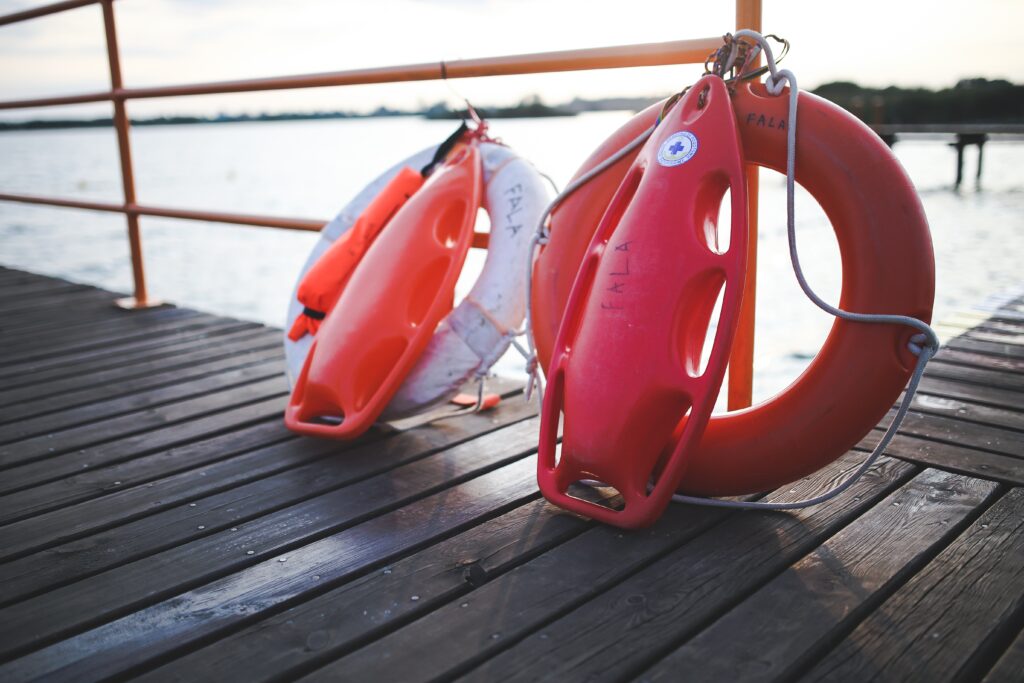
For offshore or long-distance travel, life rafts are critical emergency equipment. Lifebuoys with floating lines provide immediate rescue support in man-overboard situations.
Fire Extinguishers
Marine-grade fire extinguishers are essential, especially in engine rooms and galley areas where fire risks are higher.
Distress Signals and Flares
Emergency signaling devices such as flares, whistles, and signaling mirrors help rescuers locate your vessel quickly.
First Aid Kit
A well-stocked marine first aid kit should include bandages, antiseptics, medications, and emergency supplies.
2. Reliable Marine Electrical Systems
Electrical systems power navigation equipment, lighting, communication devices, and onboard machinery. A reliable system improves operational efficiency and safety.
Marine Batteries
Deep-cycle marine batteries are designed to handle continuous power supply and harsh marine conditions.
Battery Chargers and Inverters
High-quality chargers ensure battery longevity, while inverters allow AC power usage onboard.
Marine Wiring and Cables
Corrosion-resistant marine-grade wiring ensures safety and long-term reliability.
Circuit Breakers and Switch Panels
These protect your vessel from electrical overload and system failures.
A properly maintained marine electrical system enhances vessel performance and prevents unexpected breakdowns.
3. Navigation and Communication Equipment
Accurate navigation is essential for both recreational and commercial boating.
GPS and Chart Plotters
Modern GPS systems provide real-time positioning and route planning.
Marine VHF Radios
VHF radios enable communication with nearby vessels and coastal authorities.
Radar Systems
Radar improves visibility during fog, heavy rain, or nighttime navigation.
Compasses and Backup Navigation Tools
Even with digital systems, traditional navigation tools remain important as backup equipment.
4. Anchoring and Mooring Equipment
Secure anchoring protects your vessel from drifting and damage.
Anchors
Different types of anchors are designed for sand, mud, rock, and seabed conditions.
Anchor Chains and Ropes
Marine-grade ropes and chains ensure durability and strength under tension.
Fenders
Fenders protect your boat when docking alongside piers or other vessels.
Dock Lines
Strong, weather-resistant dock lines secure your vessel safely at port.
5. Marine Pumps and Plumbing Systems
Efficient water management is essential onboard.
Bilge Pumps
Bilge pumps remove unwanted water from the hull and prevent flooding.
Freshwater Pumps
These ensure consistent water pressure for sinks, showers, and onboard systems.
Sanitation Systems
Marine toilets and waste management systems must be durable and compliant with regulations.
6. Marine Lighting Systems
Proper lighting enhances visibility and safety.
Navigation Lights
Required for night travel, navigation lights indicate vessel direction and status.
Deck and Flood Lights
These improve visibility during docking and night operations.
Interior LED Lighting
Energy-efficient LED lights reduce battery consumption while improving onboard comfort.
7. Marine Hardware and Deck Equipment
High-quality hardware increases vessel durability.
Stainless Steel Fittings
Resistant to corrosion and saltwater damage.
Cleats and Winches
Essential for securing lines and managing sails or heavy loads.
Hatches and Ventilation Systems
Provide airflow and safety in enclosed areas.
8. Engine and Maintenance Equipment
Performance depends heavily on proper engine maintenance.
Marine Engine Oil and Filters
Regular replacement improves efficiency and extends engine life.
Spare Parts and Tool Kits
Basic repair tools and spare components prevent small issues from becoming major problems.
Cleaning and Protective Products
Marine cleaning solutions help prevent rust, corrosion, and salt buildup.
Why Quality Marine Equipment Matters
Choosing high-quality marine equipment from a trusted marine supplier ensures longer product lifespan, reduced maintenance costs, compliance with safety regulations, better fuel efficiency, improved vessel performance, and increased crew and passenger safety.
Investing in premium marine equipment is not just about convenience it is about protecting lives and safeguarding your vessel.
Final Thoughts
Whether you own a small recreational boat or manage a commercial vessel, having essential marine equipment onboard is critical for safety, reliability, and performance. Essential Marine Equipment From safety gear and electrical systems to navigation tools and anchoring equipment, every component plays a vital role.
Before setting sail, always inspect your equipment, perform regular maintenance, and ensure your vessel is fully prepared for marine conditions. Proper preparation at sea can prevent emergencies and provide peace of mind during every voyage.