
Share


 UAE
UAE
 26 Jun , 2026
 12:00 AM
The Contribution of Marine Equipment Suppliers to Sustainable Maritime Operations
Contribution of Marine Equipment Suppliers The maritime industry is the backbone of global trade, transporting millions of tons of cargo across oceans every year. As international trade continues to expand, the need for sustainable maritime operations has become more important than ever. Environmental concerns, stricter regulations, and the growing demand for energy-efficient shipping have encouraged the maritime sector to adopt sustainable practices. In this transformation, marine equipment suppliers play a significant role by providing innovative solutions, advanced technologies, and environmentally friendly equipment that help shipping companies reduce their environmental impact while maintaining operational efficiency.
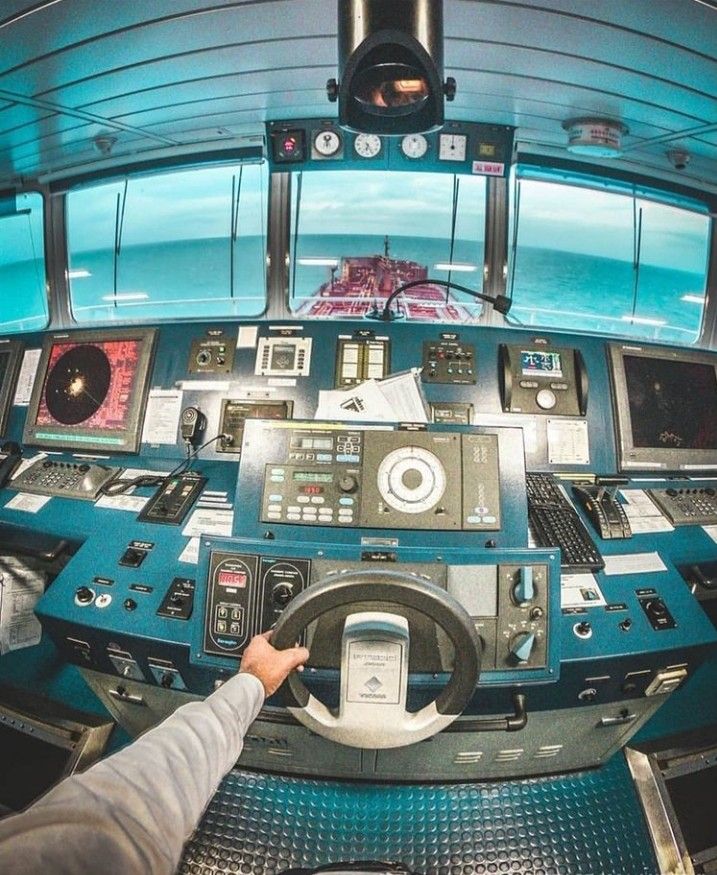
Marine equipment suppliers are more than just providers of products. They act as strategic partners for ship owners, operators, shipyards, and offshore industries by supplying the essential tools, machinery, and systems required for modern maritime operations. Contribution of Marine Equipment Suppliers Their contribution to sustainability extends across various aspects of the maritime industry, from reducing emissions and improving fuel efficiency to supporting waste management and ensuring compliance with international environmental standards.
Understanding Sustainable Maritime Operations
Sustainable maritime operations refer to the implementation of practices and technologies that minimize the environmental impact of shipping activities while ensuring economic viability and operational effectiveness. The shipping industry faces increasing pressure to reduce greenhouse gas emissions, protect marine ecosystems, and improve resource efficiency.
International organizations and regulatory bodies have introduced strict environmental standards to address issues such as air pollution, fuel consumption, ballast water management, and waste disposal. As a result, shipping companies are actively seeking solutions that help them comply with these regulations while maintaining competitiveness in the global market.
Contribution of Marine Equipment Suppliers This growing focus on sustainability has increased the demand for advanced marine equipment and innovative technologies, making marine equipment suppliers essential contributors to the industry’s environmental goals.
The Role of Marine Equipment Suppliers in Reducing Emissions
One of the most significant contributions of marine equipment suppliers is helping vessels reduce harmful emissions. Traditional marine engines and systems often produce substantial amounts of carbon dioxide, sulfur oxides, and nitrogen oxides. To address this challenge, suppliers provide modern equipment designed to improve energy efficiency and lower emissions.
Advanced engine components, fuel optimization systems, exhaust gas cleaning systems, and emission control technologies enable vessels to operate more efficiently while meeting international environmental requirements. These solutions help shipping companies reduce their carbon footprint and contribute to global efforts to combat climate change.
Marine equipment suppliers continuously invest in research and development to create innovative products that support cleaner and greener shipping operations. Contribution of Marine Equipment Suppliers By making these technologies accessible to vessel operators worldwide, they play a crucial role in achieving sustainability objectives.
Supporting Energy Efficiency in Shipping
Energy efficiency is a fundamental aspect of sustainable maritime operations. Fuel costs represent a significant portion of a vessel’s operating expenses, making efficient energy management essential for both environmental and economic reasons.
Marine equipment suppliers offer a wide range of energy-efficient products, including advanced propulsion systems, energy-saving devices, high-performance pumps, efficient lighting systems, and intelligent monitoring technologies. These solutions help vessels consume less fuel while maintaining optimal performance.
Modern marine equipment also allows operators to monitor fuel usage, engine performance, and energy consumption in real time. This data-driven approach enables shipping companies to identify inefficiencies, optimize operations, and reduce unnecessary fuel expenditure.
By supplying energy-efficient equipment, marine suppliers contribute directly to lower operating costs and reduced environmental impact across the maritime industry.
Promoting the Use of Environmentally Friendly Technologies
The maritime industry is increasingly adopting environmentally friendly technologies to meet sustainability targets. Marine equipment suppliers play a central role in this transition by providing innovative solutions that support cleaner operations.
Alternative fuel systems, hybrid propulsion technologies, electric-powered equipment, and renewable energy integration are becoming more common in modern vessels. Suppliers help ship operators access these advanced technologies and implement them effectively.
Many suppliers also offer equipment designed to support future-ready vessels that can adapt to evolving environmental regulations and technological developments. This proactive approach helps the maritime sector remain competitive while moving toward long-term sustainability.
Enhancing Waste Management and Pollution Prevention
Effective waste management is critical for protecting marine ecosystems and ensuring compliance with environmental regulations. Marine equipment suppliers provide specialized systems that help vessels manage waste responsibly and prevent pollution.
Modern waste treatment systems, oily water separators, sewage treatment plants, garbage management equipment, and ballast water treatment systems enable ships to minimize their environmental impact during operations. These technologies help prevent harmful substances from being discharged into oceans and waterways.
Suppliers ensure that their products meet international standards and provide reliable performance under demanding maritime conditions. As a result, shipping companies can operate with greater confidence while protecting marine environments.
Supporting Compliance with International Maritime Regulations
The maritime industry is governed by numerous environmental regulations aimed at promoting sustainability and protecting marine ecosystems. Compliance with these regulations requires the use of certified equipment and reliable operational systems.
Marine equipment suppliers help vessel operators meet these requirements by offering products that comply with international standards and environmental guidelines. Contribution of Marine Equipment Suppliers They provide technical expertise, product certifications, and ongoing support to ensure proper implementation and maintenance.
By helping shipping companies navigate complex regulatory requirements, suppliers contribute to safer, more sustainable maritime operations while reducing the risk of penalties and operational disruptions.
Improving Vessel Performance and Longevity
Sustainability is not only about environmental protection but also about maximizing the lifespan and efficiency of maritime assets. High-quality marine equipment contributes to improved vessel performance, reduced maintenance requirements, and extended operational life.
Reliable equipment minimizes downtime, prevents costly breakdowns, and ensures consistent performance throughout a vessel’s service life. This reduces the need for frequent replacements and lowers the overall consumption of resources.
Marine equipment suppliers provide durable products specifically designed for harsh marine environments, helping operators achieve long-term sustainability goals while maximizing return on investment.
Driving Innovation in the Maritime Industry
Innovation is a key driver of sustainability, and marine equipment suppliers are at the forefront of technological advancement in the maritime sector. Through continuous investment in research and development, suppliers introduce new products and solutions that address emerging environmental challenges.
Smart monitoring systems, predictive maintenance technologies, digital fleet management tools, and automation solutions are transforming maritime operations. These innovations improve efficiency, reduce resource consumption, and enhance overall sustainability.
As technology continues to evolve, marine equipment suppliers will remain essential partners in helping the maritime industry adopt innovative practices and achieve environmental objectives.
The Economic Benefits of Sustainable Marine Equipment
Sustainable maritime operations offer significant economic advantages in addition to environmental benefits. Energy-efficient equipment reduces fuel consumption, lowers maintenance costs, and improves operational reliability.
Marine equipment suppliers help shipping companies identify cost-effective solutions that deliver long-term value. Investments in sustainable technologies often result in reduced operating expenses, improved vessel performance, and enhanced competitiveness in the global shipping market.
Contribution of Marine Equipment Suppliers By providing products that balance environmental responsibility with economic efficiency, suppliers contribute to the overall success and sustainability of maritime businesses.
Conclusion
Marine equipment suppliers play an indispensable role in advancing sustainable maritime operations. Through the supply of innovative technologies, energy-efficient systems, pollution prevention equipment, and regulatory compliance solutions, they help the maritime industry reduce its environmental impact while improving operational performance.
As global shipping continues to evolve, the demand for sustainable solutions will only increase. Marine equipment suppliers will remain key contributors to this transformation by supporting cleaner, safer, and more efficient maritime operations. Their expertise, innovation, and commitment to quality are essential for building a more sustainable future for the global maritime industry.