Share


 DUBAI,UAE
 12 Nov , 2026
 12:00 AM
Offshore Welding, Fabrication and Structural Repair Services in the UAE: A Practical Guide
Steel does the hard work offshore. Decks, hull plating, frames, supports, platforms, ladders, pipe racks and lifting points carry loads every day while salt water, heat, vibration and weather slowly wear them down. When cracks, corrosion or damage appear, the quality of the weld and the fabrication behind the fix decides whether a vessel or offshore structure stays safe and in service.
This guide explains what offshore welding and fabrication services in the UAE involve, which structural repairs are typically handled on site, the standards and safety rules that matter, how inspection works and how to choose a reliable contractor. It also shows how Empire Marine International, based in Dubai Maritime City, supports vessel owners and operators with marine services and equipment supply.
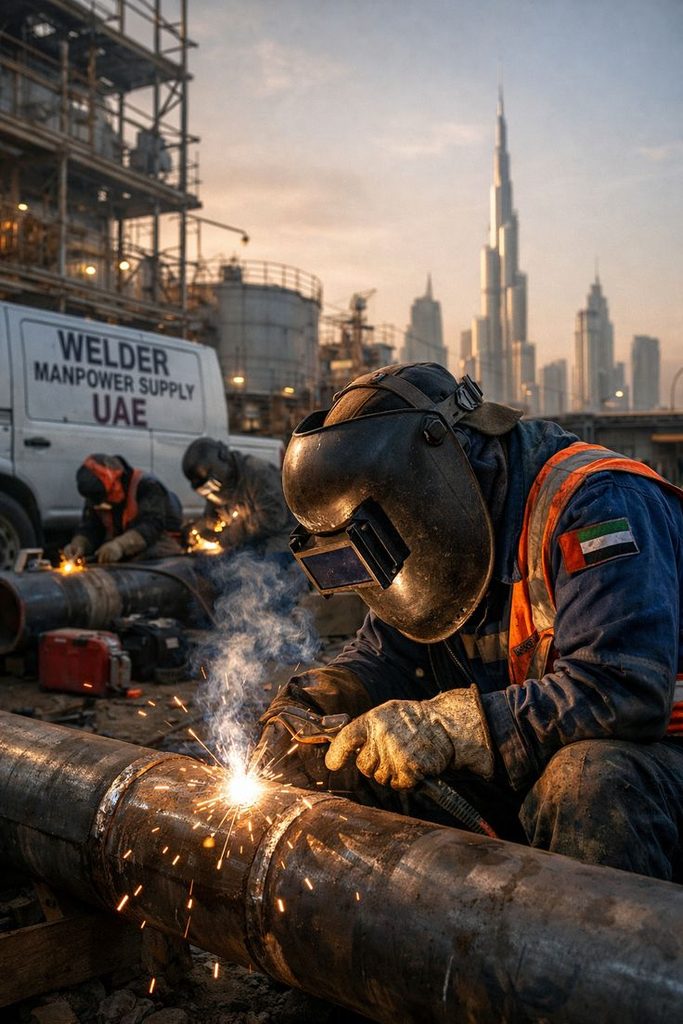
What Are Offshore Welding and Fabrication Services?
Welding joins metal parts by heat, pressure or both. In offshore and marine work, welding is used to repair, strengthen and modify steel and aluminium structures on vessels, barges, platforms and other marine assets. Fabrication is the process of cutting, shaping, fitting and assembling metal into the parts or structures you need, such as brackets, frames, platforms, guards and pipe supports.
Together they cover work such as:
- Steel plate repair and replacement on decks, bulkheads and structures.
- Crack repair in frames, brackets and supports.
- Reinforcement and doubler plates where a structure has lost thickness.
- Fabrication of custom parts, including brackets, ladders, handrails, platforms, skids and pipe supports.
- Pipe welding and spool fabrication for marine piping systems.
- Modifications and installations such as new foundations for equipment, lifting points and padeyes.
- Deck fittings and mooring components that need repair or replacement.
Work on the open sea or at anchorage is often called offshore work, and general background is available in this overview of offshore construction.
Common Reasons Marine Structures Need Repair
- Corrosion: salt water, humidity and heat in the Gulf speed up steel loss, especially in ballast areas, decks and splash zones.
- Fatigue cracking: repeated loads and vibration create cracks, often near corners, brackets and welds.
- Mechanical damage: impacts during berthing, cargo handling, towing or collisions.
- Overloading or poor earlier repairs.
- Wear on moving or load-bearing parts such as winch foundations, hatch covers and fairleads.
- Modification needs, when owners add equipment or change vessel operations.
Structural Repair: How a Typical Job Works
- Inspection and assessment. A technician or surveyor examines the damage, measures thickness where needed and decides if repair or replacement is required.
- Repair scope and method statement. The contractor defines the repair, materials, welding procedure, safety measures and inspection steps.
- Approvals. Safety-critical repairs may need approval from the vessel’s classification society or flag state, plus permits from port or maritime authorities.
- Preparation. The area is cleaned, isolated and made safe. Coatings are removed around the weld zone and edges are prepared.
- Welding and fabrication. Qualified welders carry out the repair using the approved procedure and materials.
- Inspection and testing. Welds are inspected visually and, where required, with non-destructive testing.
- Protective coating and handover. The repair is cleaned and coated, and documentation is handed over to the owner.
Inspection: Why Non-Destructive Testing Matters
A weld can look good and still hide defects. Non-destructive testing (NDT) checks welds and materials without damaging them. Common methods include visual inspection, dye penetrant, magnetic particle and ultrasonic testing, and radiography for certain jobs. The right method depends on the material, the weld type and the standard or class requirement for your vessel.
Ask your contractor which inspection methods will be used and who will witness or approve them.
Standards, Procedures and Welder Qualification
Offshore and marine welding should follow recognised standards and approved procedures, not only the welder’s experience. Depending on the job, this can include:
- Welding procedure specifications and qualification records for the materials and positions involved.
- Welder qualification to the applicable standard.
- Material traceability, so you know what steel, filler metal and consumables were used.
- Class or client requirements, which may be stricter than general standards.
Organisations such as the American Welding Society and TWI publish technical information on welding practice and standards. Always confirm which standards apply to your vessel and your classification society before work begins.
Hot Work Safety: The Non-Negotiable Part
Welding and cutting are hot work, and on a vessel the risks are serious: fire, explosion, toxic fumes, confined spaces and working at height. A responsible contractor will insist on:
- A hot work permit and a clear safety plan before any work starts.
- Gas-free testing of tanks, voids and nearby spaces where relevant.
- Fire watch during and after the work, with suitable firefighting equipment ready.
- Isolation and protection of fuel lines, cables, coatings and cargo areas near the work.
- Ventilation and the right protective equipment for the crew and technicians.
- Safe access and lifting arrangements for people and materials.
The wider international framework for ship safety is set by the International Maritime Organization, and your safety management system will define internal requirements.
Permits and Approvals in the UAE
Repair work at anchorage or alongside is regulated. In Dubai, official announcements have stated that repair and maintenance at anchorage areas is subject to obtaining the proper permits from the maritime authority and other relevant authorities, as in this Dubai Media Office statement. Port and maritime information is also available through the Ports, Customs and Free Zone Corporation (PCFC).
Plan for permits early, and confirm who is responsible for each one: owner, agent or contractor. Requirements differ by location and job type and can change, so always check current rules with the relevant authorities. This article is general information, not legal or technical advice.
Fabrication Services: What You Can Order
Beyond repairs, many owners and operators need custom or replacement metalwork, such as:
- Brackets, foundations and equipment mounts
- Ladders, handrails, gratings and platforms
- Pipe supports, skids and frames
- Guards, covers and enclosures
- Lifting lugs and padeyes
- Replacement parts when originals are unavailable or too slow to source
Give your contractor drawings, photos, measurements and material requirements, or ask them to survey and measure on site. Good fabrication starts with accurate information.
How to Choose an Offshore Welding and Fabrication Contractor
- Relevant experience on vessels and offshore assets similar to yours.
- Qualified personnel and documented procedures. Ask to see welder qualifications and procedures where required.
- Clear safety culture, with permits, risk assessments and incident records.
- Inspection capability, either in house or through approved partners.
- Class and client acceptance. Ask if they have worked with your classification society or client requirements before.
- Material sourcing and traceability.
- Transparent quotation that separates labour, materials, access, inspection and permits.
- Quick communication, especially for urgent jobs.
Planning Tips to Save Time and Cost
- Inspect early. Small cracks and thin plates are cheaper to fix before they spread.
- Share complete information with photos, drawings and thickness readings.
- Order materials early, since plate, pipe and fittings can delay the job.
- Coordinate with other work so tanks, electrical and painting jobs do not clash.
- Plan coatings after welding to protect repairs from fresh corrosion.
- Keep records of repairs, inspections and approvals for future surveys.
Why Vessel Owners Work With Empire Marine
Empire Marine International is part of the Empire Group, which has served customers for more than three decades, and describes itself as one of the largest marine showrooms in the Middle East. Our customers include shipyards, boat and yacht builders, owners and crews from around the world. We combine marine equipment supply with services such as electrical, painting, canvas, cleaning and towing support, and we coordinate technical support for owners who need more than one trade on a job.
See our services and gallery, explore our products and engines and spare parts, and read our related guides on anchorage ship repair and vessel maintenance services in Dubai and emergency anchorage repair and marine support services in the UAE. Follow us on Instagram @empiremarine or browse the Empire Marine blog.
Empire Marine International LLC Dubai Maritime City, Staff Accommodation Building, Ground Floor, Showroom 01, Dubai, UAE Phone: +971 4 3240 300 WhatsApp: +971 55 155 0907 Email: info@empire-marine.com
Frequently Asked Questions About Offshore Welding and Structural Repair in the UAE
What are offshore welding services? They are welding and related repair services carried out on vessels, barges and offshore structures, often at anchorage or in the field rather than in a workshop.
What is the difference between welding and fabrication? Welding joins metal parts. Fabrication is the wider process of cutting, shaping, fitting and assembling metal into finished parts or structures, which usually includes welding.
Do structural repairs need class approval? Safety-critical repairs on classed vessels often do. Check with your classification society and flag state before work starts.
How are welds inspected? By visual inspection and, where required, non-destructive testing such as dye penetrant, magnetic particle, ultrasonic or radiographic testing.
Is hot work allowed at anchorage? It can be, with the right permits, safety plan and approvals. Your agent and contractor should confirm what applies before work begins.
What information do I need to request a quotation? Vessel name and type, IMO number, location, photos and drawings of the damage, material and thickness details if known, class requirements and your deadline.
Can I order custom fabricated parts? Yes. Send drawings, sketches or measurements, or request a site survey, and your contractor can quote the fabrication.
Need Welding, Fabrication or Structural Repair Support in the UAE?
If your vessel or offshore asset needs structural repair or custom fabrication, send us the details and photos of the job. Contact Empire Marine or message us on WhatsApp so our team can review your requirements and advise on the next steps.